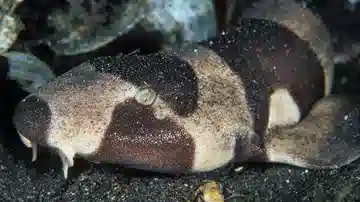
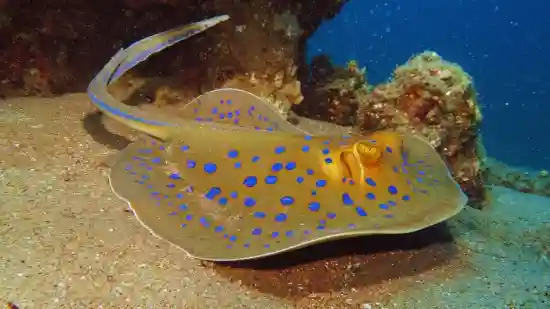
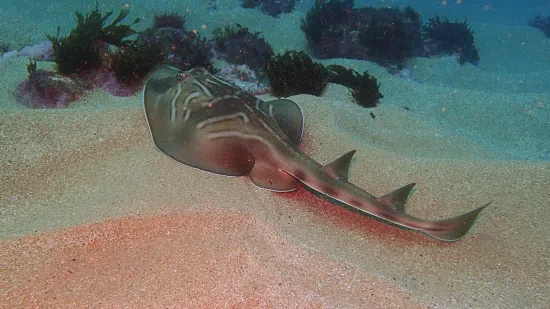


Sharks & Stingrays In Saltwater Aquariums: FAQ
Yes, it can be legal to own a shark in a home aquarium, but legality depends on the species, your location, and how the shark is sourced. This is a critical question to research before considering a purchase, as shark ownership is regulated more strictly than most saltwater fish due to conservation and animal welfare concerns.
In the United States, federal law generally allows private ownership of non-endangered, aquarium-appropriate shark species when they are legally collected or captive-bred. However, many species are protected under the Endangered Species Act (ESA) or CITES, making them illegal to own, sell, or transport. Large pelagic sharks such as Great Whites, Hammerheads, Tiger Sharks, and Whale Sharks are strictly prohibited everywhere.
Key legal factors that determine shark ownership:
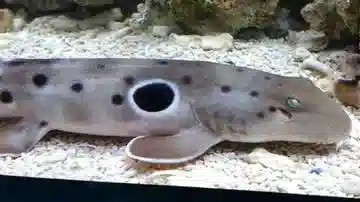
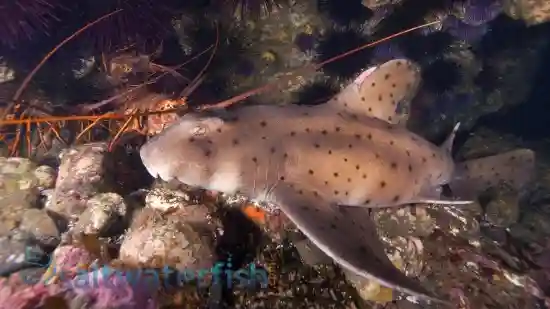
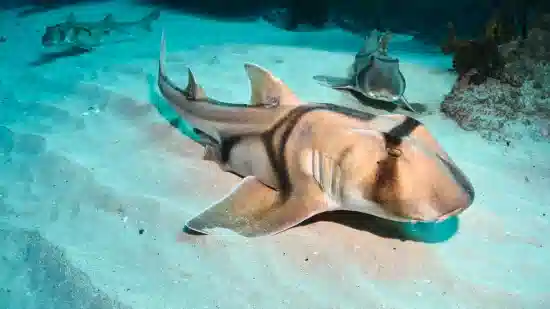
Species legality: Bottom-dwelling species like Bamboo Sharks, Epaulette Sharks, and Catsharks are commonly legal and available in the aquarium trade.
State and local laws: Some states and municipalities restrict or ban shark possession entirely, regardless of species. Regulations can vary significantly between states such as California, Florida, and Hawaii.
Source and documentation: Sharks must be legally collected or captive-bred. Illegal wild collection can result in severe fines and confiscation.
Animal welfare laws: Keeping a shark in an undersized or unsuitable system may violate animal cruelty statutes, even if the species itself is legal.
Marine conservation research highlights that inappropriate private ownership (especially of large or active shark species) results in extremely high mortality rates, which is why strict regulations exist (Fowler et al., 2010).
One Saltwaterfish.com reviewer of the Epaulette Shark shared: “Epaulette Shark \- Australia Great addition to 28g Biocube reef tank. Very healthy and active. Adds great color to coral tank.”
Pro tips before buying a shark:
Always verify state and local wildlife regulations before purchasing.
Choose only benthic (bottom-dwelling) species suited to captivity.
Be prepared for very large tank requirements (often 180–300+ gallons).
Keep proof of legal purchase and origin.
- Never buy a shark on impulse.
Bottom line:
Owning a shark can be legal but only certain species, in certain locations, and under strict conditions. Responsible shark ownership means understanding the law, respecting conservation rules, and committing to proper long-term care. If you’re considering a legal, aquarium-appropriate shark, explore Saltwaterfish.com’s shark selection, all responsibly sourced and backed by our 8-Day Live Guarantee for confidence and peace of mind.
Yes, while sharks are not true beginner fish, there are a few more beginner-friendly shark species that can be kept successfully by aquarists with some saltwater experience, adequate space, and proper filtration. These sharks are bottom-dwelling, relatively calm, and far better suited to captivity than large, open-water species.
Beginner-appropriate sharks are typically benthic (bottom-dwelling) species that spend most of their time resting on the substrate rather than swimming constantly. They adapt well to aquarium life when their basic needs are met and are far more forgiving than pelagic sharks.
Most beginner-friendly sharks for home aquariums:
Bamboo Sharks (Chiloscyllium spp.): The most popular beginner shark. Hardy, slow-moving, and adaptable. Best kept from egg cases and housed in very large tanks (180–240+ gallons).
*Epaulette Sharks (Hemiscyllium ocellatum): Extremely hardy and tolerant of aquarium life. Known for their ability to “walk” along the substrate. Require large, wide tanks with plenty of bottom space.
*Coral Catsharks (Atelomycterus marmoratus): Smaller than bamboo sharks and relatively calm. Still require large tanks but are among the most manageable shark species.
Marbled Catsharks: Peaceful and nocturnal, making them suitable for predator-style systems with compatible tank mates.
One Saltwaterfish.com reviewer of the Marbled Cat Shark shared: “A gorgeous healthy Marbled Cat Shark. Arrived quickly and adapted quickly. Likes to hang out with my Mimic Tang. I purchased three different species and everyone is doing well\!”
What “beginner-friendly” really means:
Requires large tank sizes (usually 180 gallons minimum)
Needs excellent filtration due to heavy waste output
Must be housed with peaceful, non-aggressive tank mates
Demands stable salinity and temperature
Not suitable for nano or standard reef tanks
Pro tips for first-time shark keepers:
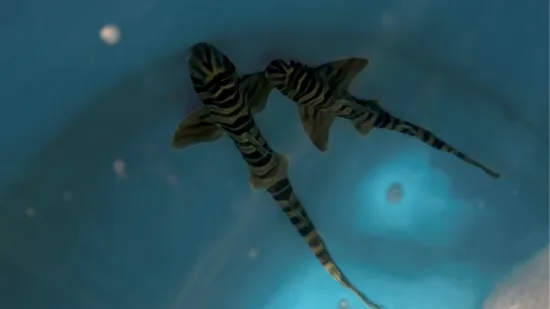
Start with a shark egg, not an adult
Use soft sand substrate to protect their skin
Avoid sharp rockwork
Feed a varied diet of marine meats
Never mix with aggressive triggers or puffers
Bottom line:
While no shark is truly “easy,” species like Bamboo Sharks, Epaulette Sharks, and Catsharks are the most beginner-friendly options for saltwater aquariums. With proper planning, large tank space, and responsible care, these sharks can thrive and become incredible long-term display animals. Explore Saltwaterfish.com’s shark selection (all responsibly sourced and backed by our 8-Day Live Guarantee) so you can start shark keeping with confidence and clarity.
Aquarium sharks should only be purchased from reputable, specialized saltwater retailers that understand shark care, legal requirements, and ethical sourcing. Because sharks have unique needs and strict tank size requirements, buying from a trusted source is critical to the animal’s long-term health and to your success as an aquarist.
The best online sellers focus on aquarium-appropriate, legally permitted species such as bamboo sharks, epaulette sharks, and catsharks. These retailers provide clear care guidance, transparent sourcing, and shipping practices designed specifically for sensitive animals like sharks.
What to look for when buying aquarium sharks online:
Species suitability: Only bottom-dwelling, benthic sharks should be offered for home aquariums. Avoid sellers advertising pelagic sharks (e.g., hammerheads, reef sharks, nurse sharks), which are not appropriate or legal for private tanks.
Ethical sourcing: Sharks should be captive-bred or legally collected, often sold as egg cases, which significantly improves survival and adaptability.
Clear tank requirements: Reputable sellers clearly state minimum tank size (often 180–300+ gallons), substrate needs, and long-term care expectations.
Live arrival guarantees: Sharks require expert packing and shipping. A live arrival guarantee shows confidence and accountability.
Customer education: Trusted retailers provide detailed care guides, feeding advice, and post-purchase support.
One Saltwaterfish.com reviewer of the California Stingray shared: “Very lovely. I thought California Stingray and the damsels were fighting, but it looks like they will seek him out and he will seek them. They seem to play in a way the damsels never did with each other. He stays closer to the bottom and doesn't come up to compete for food. I didn't think he was eating but then I realized my cheto was all but gone. Hungry as a herbivore.”
Why Saltwaterfish.com is a trusted option:
Offers only home-aquarium-appropriate shark species
Emphasizes egg cases and juvenile sharks for better success
Transparent care requirements and expert guidance
Backed by an industry-leading 8-Day Live Guarantee
Long-standing reputation with thousands of verified customer reviews
Pro tips before purchasing online:
Confirm your tank meets adult size requirements before ordering
Check state and local regulations regarding shark ownership
Avoid impulse buys: Sharks are long-term commitments
Prepare your system fully before the shark arrives
Bottom line:
You can buy aquarium sharks online but only from specialized, reputable retailers that prioritize legal compliance, ethical sourcing, and proper long-term care. For responsibly sourced, home-appropriate shark species with expert support, explore Saltwaterfish.com’s shark collection, backed by our 8-Day Live Guarantee so you can buy with confidence and clarity.
Sharks require very large aquariums, and tank size is the single most important factor in determining whether a shark can survive long term in captivity. Even the most “home-aquarium-appropriate” shark species are bottom-dwelling animals that grow steadily, produce heavy waste, and need wide, open swimming space. In most cases, a shark tank must be planned around the adult size of the shark, not the size at purchase.
For nearly all aquarium-suitable sharks, tank footprint (length × width) matters more than height. Sharks cruise along the bottom and turn frequently, so cramped tanks lead to stress, injury, and shortened lifespans. Smaller tanks (under 150 gallons) are not appropriate for any shark species, even juveniles.
Minimum tank sizes by common aquarium shark type:
Bamboo Sharks (Chiloscyllium spp.):
180–240 gallons minimum, with a wide footprint (6–8 feet long). Best started from egg cases.
*Epaulette Sharks (Hemiscyllium ocellatum):
180+ gallons, wide and shallow preferred. Extremely hardy but still need space to roam.
Coral Catsharks / Marbled Catsharks:
150–180 gallons minimum, though larger systems greatly improve long-term success.
Additional space considerations:
Soft sand substrate is required to prevent belly and fin damage
Open floor space is more important than heavy rockwork
Strong filtration is essential due to high bioload
Room to grow: Most sharks reach 30–40 inches as adults
Pro tips before choosing a tank:
Always size the tank for the adult shark, not the hatchling
Prioritize tank length and width over height
Avoid sharp rock or tight caves
Plan for long-term housing: sharks are not temporary pets
Bottom line:
Most home-aquarium sharks require at least 180 gallons, with large, wide footprints to allow natural movement and long-term health. Sharks are a serious, long-term commitment but when housed properly, species like bamboo and epaulette sharks can thrive for many years. If you’re planning a shark-appropriate system, explore Saltwaterfish.com’s shark selection, all responsibly sourced and backed by our 8-Day Live Guarantee, so you can build with confidence from the start.
Choosing the right tank mates for aquarium sharks is critical for both the shark’s health and the safety of other livestock. Most home-aquarium sharks are benthic (bottom-dwelling) species like bamboo sharks, epaulette sharks, and catsharks. These sharks are generally peaceful, but they are opportunistic predators and can be easily stressed or injured by aggressive fish. The best tank mates are calm, appropriately sized species that won’t harass the shark or be eaten by it.
Best tank mates for aquarium sharks:
Large tangs and surgeonfish (Yellow, Naso, Sailfin): Active swimmers that occupy the water column and generally ignore sharks.
Rabbitfish and foxfaces: Peaceful herbivores that grow large enough to avoid predation.
Large angelfish (Emperor, Blueface, French): Confident, non-aggressive fish that coexist well in large predator systems.
Eels (Snowflake, Zebra Moray): Excellent companions for benthic sharks; share similar diets and temperaments.
Large groupers (with caution): Only in very large tanks: must be similar in size and temperament.
Peaceful rays (advanced systems only): Require massive tanks and expert-level care, but can coexist with sharks in appropriate setups.
Tank mates to avoid:
Triggers and puffers: Known fin-nippers that can seriously injure sharks.
Aggressive wrasses: May harass or bite the shark’s fins and eyes.
Small fish or invertebrates: Will eventually be eaten.
Fast, hyper-aggressive predators: Cause stress and competition during feeding.
Pro tips for successful shark compatibility:
Choose tank mates too large to be eaten
Avoid fin-nippers at all costs
Feed sharks with tongs to reduce competition
Provide open sand areas and avoid sharp rock
- Stock sharks last to reduce territorial behavior
Bottom line:
The best tank mates for aquarium sharks are calm, medium-to-large fish such as tangs, rabbitfish, large angelfish, and compatible eels. Avoid aggressive or fin-nipping species, and never keep sharks with small fish or invertebrates. With thoughtful stocking and plenty of space, sharks can coexist peacefully in impressive predator-style aquariums. Explore Saltwaterfish.com’s shark collection (responsibly sourced and backed by our 8-Day Live Guarantee) so you can build a safe, successful shark system with confidence.
Setting up a shark tank for the first time requires careful planning, patience, and a commitment to long-term care. Unlike most saltwater fish, aquarium-appropriate sharks are large, bottom-dwelling animals with specific space, filtration, and habitat needs. When set up correctly from the start, a shark system can be stable, ethical, and incredibly rewarding.
Step-by-step essentials for a first-time shark tank:
Choose the right shark species: Start with benthic species only, such as Bamboo Sharks, Epaulette Sharks, or Catsharks. These species adapt best to captivity and are commonly recommended for home aquariums.
Select an appropriately sized tank: A minimum of 180 gallons is required for most sharks, with tank footprint (length and width) being more important than height. Sharks need room to turn and rest comfortably.
Use soft sand substrate: Fine sand protects the shark’s belly and fins. Avoid crushed coral or sharp gravel, which can cause abrasions and infections.
Design safe aquascaping: Keep rockwork minimal and smooth. Provide open sand areas and avoid tight caves or sharp edges that could injure the shark.
Install strong filtration: Sharks produce a heavy bioload. Use oversized protein skimmers, strong biological filtration, and regular water changes to maintain excellent water quality.
Cycle the tank fully: The tank must be completely cycled before adding a shark. Ammonia and nitrite should always be 0 ppm.
Pro tips for first-time success:
Start with a shark egg whenever possible
Maintain salinity at 1.024–1.026 and temperature at 76–78°F
Avoid aggressive or fin-nipping tank mates
Plan for adult size from day one
Bottom line:
A successful first shark tank starts with the right species, a large and well-designed aquarium, soft substrate, and powerful filtration. Sharks are not impulse pets, but with proper setup and care, they can thrive for many years. Explore Saltwaterfish.com’s shark selection (responsibly sourced and backed by our 8-Day Live Guarantee) to begin your shark journey with confidence and expert support.
Aquarium sharks are carnivores that thrive on a varied, marine-based diet designed to mimic what they would eat in the wild. Most home-appropriate sharks (such as Bamboo Sharks, Epaulette Sharks, and Catsharks) are bottom-dwelling feeders that hunt crustaceans, mollusks, and small fish along the substrate. In captivity, providing the right foods (and feeding them correctly) is essential for growth, immune health, and long-term success.
Best foods for aquarium sharks:
Raw shrimp (shell-on when possible): Excellent staple that helps maintain jaw strength.
Squid and calamari: High-protein and easy to digest.
Clams, mussels, and scallops: Great for dietary variety and dental health.
Marine fish flesh (silversides, smelt, snapper): Use marine-only sources to avoid deficiencies.
Crab or lobster meat: Occasional treats that closely match natural prey.
Vitamin-enriched frozen foods: Soaked periodically to prevent nutritional gaps.
Sharks should never be fed freshwater feeder fish (like goldfish) due to thiaminase and fatty acid imbalances that can cause long-term health issues.
How often to feed aquarium sharks:
Juveniles: 3–4 times per week
Adults: 2–3 times per week
Overfeeding can degrade water quality, so portion control is important.
Pro feeding tips:
Use feeding tongs to ensure the shark gets its food and to reduce competition.
Feed after lights dim: many sharks are more active at dusk.
Rotate food types weekly for balanced nutrition.
- Remove uneaten food promptly to protect water quality.
Bottom line:
Sharks in home aquariums eat a varied diet of marine-based meats such as shrimp, squid, clams, and fish. Consistent feeding, proper portions, and nutritional variety are key to keeping aquarium sharks healthy and thriving long term. Explore Saltwaterfish.com’s shark selection to help you feed with confidence from day one.
Pet stingrays are long-lived marine animals when housed in properly designed aquariums with stable water quality and ample space. In home aquarium settings, most commonly kept stingray species live 10–20 years, and in exceptional cases, even longer. Their lifespan is closely tied to tank size, diet quality, filtration strength, and long-term husbandry practices.
Aquarium-appropriate stingrays (such as Blue Spotted Ribbontail Rays, Cortez Rays, and other benthic species) are hardy but extremely sensitive to environmental stress. Undersized tanks, poor substrate choice, or unstable water chemistry are the most common reasons stingrays fail to reach their full lifespan in captivity.
Key factors that determine stingray lifespan:
Tank size & footprint: Most stingrays require 180–300+ gallons with a wide, open bottom. Floor space is more important than height.
Water quality: Rays are highly sensitive to ammonia, nitrite, and rapid swings. Salinity should remain at 1.024–1.026 with temperatures between 76–78°F.
Diet & nutrition: A varied diet of shrimp, squid, clams, scallops, and marine fish supports growth, immune health, and longevity.
Substrate: Fine, soft sand is mandatory to prevent abrasions and infections on their underside.
Tank mates: Aggressive or fin-nipping fish cause chronic stress, reducing lifespan significantly.
Pro tips for maximizing stingray lifespan:
Plan for adult size from day one
Use oversized filtration and strong protein skimming
Perform regular water changes to control nitrate buildup
Feed smaller meals multiple times per week
Avoid copper-based medications entirely
Bottom line:
With proper care, pet stingrays commonly live 10–20 years or more in home aquariums. Their longevity makes them a serious long-term commitment but also one of the most impressive and rewarding centerpiece animals available to experienced aquarists. Explore Saltwaterfish.com’s sharks and stingrays collection, all responsibly sourced and backed by our 8-Day Live Guarantee, so you can plan confidently for long-term success.
Stingrays are not beginner-level aquarium fish, but they are very manageable for experienced saltwater hobbyists who are prepared with the right tank size, filtration, and long-term commitment. They are best described as moderately to advanced care animals. Not because they are fragile, but because their space, cleanliness, and stability requirements are non-negotiable.
Most aquarium-suitable stingrays are benthic (bottom-dwelling) elasmobranchs that spend their time gliding over sand and burying themselves. When housed correctly, they are hardy, intelligent, and long-lived but when housed improperly, they decline quickly.
Why stingrays are considered challenging:
Large tank requirements:
Most stingrays require 180–300+ gallon aquariums with wide, open footprints. Floor space matters far more than height.
Extreme sensitivity to water quality:
Stingrays are intolerant of ammonia, nitrite, and rapid parameter swings. Tanks must be fully mature and stable.
Heavy bioload:
Rays are messy eaters and require oversized filtration and strong protein skimming.
Substrate requirements:
Fine, soft sand is mandatory to prevent abrasions and infections on their underside.
Compatibility limitations:
Aggressive or fin-nipping tank mates cause stress and injury, shortening lifespan.
Why stingrays are rewarding (when done right):
Surprisingly hardy in stable systems
Intelligent, interactive behavior
Strong feeding response and predictable routines
Long lifespans (often 10–20+ years)
Peaceful with compatible tank mates
Pro tips for first-time ray keepers:
Only attempt rays in large, established systems
Use fine sand only, never crushed coral
Feed a varied marine-based diet (shrimp, squid, clams)
Avoid copper medications entirely
Choose calm, ray-safe tank mates
Bottom line:
Stingrays are not hard to keep if* you meet their space, filtration, and stability requirements but they are not suitable for beginners or small tanks. For prepared aquarists, stingrays are hardy, intelligent, and incredibly rewarding long-term pets. Explore Saltwaterfish.com’s sharks and stingrays selection, all responsibly sourced and backed by our 8-Day Live Guarantee, so you can approach ray ownership with confidence and clarity.
Stingrays are not considered reef safe, even though they are generally peaceful and won’t intentionally attack corals. The main issue isn’t aggression, it’s behavior, size, and habitat needs. Most aquarium-appropriate stingrays are bottom-dwelling animals that require soft sand, wide open space, and frequent feeding. These requirements make them incompatible with traditional reef tank setups.
While stingrays do not nip at corals or eat coral tissue, their natural behaviors often lead to unintentional damage in reef environments.
Why stingrays are not reef safe:
They disturb the substrate:
Stingrays constantly glide over, fan, and bury themselves in the sand. This can destabilize coral bases, bury LPS corals, and cloud the water column.
They knock over corals:
As large, powerful animals, rays can easily topple unsecured coral frags or colonies, especially those placed low in the tank.
They eat reef invertebrates:
Stingrays feed on shrimp, crabs, snails, worms, and other benthic invertebrates, common members of reef clean-up crews.
They require heavier feeding:
Frequent, meaty feedings increase nutrients, which can negatively impact sensitive corals if not managed with aggressive filtration.
They need sand-only layouts:
Reef tanks typically use rock-heavy aquascapes, while stingrays require open sand beds with minimal rock to prevent injury.
What stingrays are compatible with:
Fish-only or predator tanks
Large, open sand-bottom systems
Calm, non-aggressive fish
Minimal rockwork with smooth surfaces
Pro tips if you love both rays and corals:
Keep stingrays in a dedicated ray or predator tank
Use a separate reef tank for corals
Never place corals directly on the sand with rays present
- Avoid mixing rays with clean-up crew invertebrates
Bottom line:
Stingrays are not reef safe. While they don’t eat corals, their size, feeding habits, and constant interaction with the substrate make them incompatible with reef tanks. Stingrays thrive best in large, sand-bottom, fish-only systems designed around their needs. If you’re considering a ray, explore Saltwaterfish.com’s sharks and stingrays collection, all responsibly sourced and backed by our 8-Day Live Guarantee, so you can choose the right animal for the right environment with confidence.
Stingrays are generally peaceful, non-aggressive animals, but choosing the right tank mates is critical to their long-term health and safety. Because most aquarium stingrays are large, bottom-dwelling fish with sensitive skin and eyes, they do best with calm, appropriately sized tank mates that won’t harass them, compete aggressively for food, or nip at their fins.
The safest companions are species that occupy the mid to upper water column, leave the sandbed alone, and have mellow temperaments.
Best tank mates for aquarium sharks:
Large tangs and surgeonfish (Yellow, Naso, Sailfin): Active swimmers that occupy the water column and generally ignore sharks.
Rabbitfish and foxfaces: Peaceful herbivores that grow large enough to avoid predation.
Large angelfish (Emperor, Blueface, French): Confident, non-aggressive fish that coexist well in large predator systems.
Eels (Snowflake, Zebra Moray): Excellent companions for benthic sharks; share similar diets and temperaments.
Large groupers (with caution): Only in very large tanks; must be similar in size and temperament.
Tank mates to avoid at all costs:
Triggers and puffers: Known for fin-nipping and biting eyes or tails.
Aggressive wrasses: May harass or peck at rays.
Small fish and all invertebrates: Will eventually be eaten.
Hyper-aggressive predators: Cause chronic stress and feeding issues.
Pro tips for safe stingray compatibility:
Choose fish too large to be eaten, but not aggressive
Avoid bottom-dwellers that compete for space
Feed rays directly with tongs to ensure they get enough food
Maintain open sand areas with minimal rockwork
Add stingrays last to reduce territorial stress
Bottom line:
The safest tank mates for stingrays are calm, medium-to-large fish such as tangs, rabbitfish, large angelfish, compatible sharks, and peaceful eels. Avoid aggressive, fin-nipping species and all invertebrates. With the right companions and enough space, stingrays thrive as impressive centerpiece animals. Explore Saltwaterfish.com’s sharks and stingrays selection, all responsibly sourced and backed by our 8-Day Live Guarantee, so you can build a compatible, long-term system with confidence.
Yes, you can buy stingrays online with a live arrival guarantee, but only from specialized, reputable saltwater retailers that understand how to ship large, sensitive animals safely. Because stingrays are elasmobranchs with delicate skin, high oxygen demands, and strict temperature requirements, not all sellers are equipped to ship them properly. A true live arrival guarantee is a strong indicator of experience, ethical sourcing, and confidence in shipping practices.
Retailers that offer live arrival guarantees typically use advanced packing methods, including oversized bags, oxygen saturation, insulated containers, and carefully timed delivery windows to minimize stress during transit.
What a reliable live arrival guarantee should include:
Clear coverage terms: The guarantee should explicitly state protection against DOA (dead on arrival), not vague “store credit only” language.
Proper shipping protocols: Stingrays should be shipped overnight, with temperature control and oxygen-rich water.
Healthy, conditioned animals: Reputable sellers only ship rays that are eating well and fully acclimated to captivity.
Transparent documentation requirements: Most guarantees require photos within a set timeframe (often 2–4 hours after delivery).
Expert support: Access to care guidance before and after delivery is a major trust signal.
At Saltwaterfish.com, stingrays and other sensitive species are shipped using species-specific protocols and are backed by an industry-leading 8-Day Live Guarantee, one of the most comprehensive guarantees available in the marine aquarium trade. This level of coverage reflects decades of experience and thousands of verified customer reviews.
One Saltwaterfish.com reviewer of the Shark/Ray Name shared: “Put Review Here”
Pro tips when buying stingrays online:
Confirm your tank is fully cycled and ray-ready before ordering
Schedule delivery when you can immediately acclimate the animal
Follow the seller’s acclimation instructions exactly
Avoid sellers that do not clearly explain their guarantee
Never accept “no guarantee” shipping for stingrays
Bottom line:
Yes, you can buy stingrays with a live arrival guarantee but only from trusted retailers with the experience and infrastructure to ship them safely. Saltwaterfish.com offers responsibly sourced stingrays backed by a robust 8-Day Live Guarantee, giving you confidence, protection, and expert support from checkout to long-term care.
Keeping a pet stingray requires a large, carefully planned aquarium designed around the ray’s adult size and bottom-dwelling lifestyle. Stingrays are not “upgrade later” animals. Their health, growth, and lifespan depend on having the correct tank size and setup from day one. When housed properly, stingrays are hardy, intelligent, and long-lived centerpiece animals.
Minimum tank size requirements:
Small to medium stingray species (e.g., Cortez Ray, Blue Spotted Ribbontail Ray): 180 gallons minimum, with a wide footprint
Larger stingray species: 240–300+ gallons, depending on adult disc size
For stingrays, tank footprint (length × width) is far more important than height. Rays spend nearly all their time gliding over sand or partially burying themselves, so open floor space is essential.
Essential setup requirements for a stingray tank:
Soft sand substrate: Fine, smooth sand is mandatory. Crushed coral, gravel, or aragonite with sharp edges can cause abrasions, infections, and long-term injury.
Minimal, smooth rockwork: Avoid sharp rocks and tight caves. Use rounded structures only, and keep large open sand areas.
Powerful filtration: Stingrays produce a heavy bioload. Oversized protein skimmers, strong biological filtration, and regular water changes are critical.
Stable water parameters:
Temperature: 76–78°F
Salinity: 1.024–1.026
Ammonia & Nitrite: 0 ppm
Nitrate: as low as possible (\<20 ppm preferred)
Mature system: The tank must be fully cycled and stable before adding a ray. New tanks are a common cause of failure.
Pro setup tips:
Plan for adult size, not juvenile size
Use wide tanks (6–8 feet long) whenever possible
Feed with tongs to reduce competition and waste
Avoid copper medications entirely
Add the stingray last to reduce stress
Bottom line:
A pet stingray requires a minimum of 180 gallons, a wide, sand-bottom tank, minimal rockwork, and powerful filtration. When their space and environmental needs are met, stingrays are hardy, long-lived, and incredibly rewarding to keep. Explore Saltwaterfish.com’s sharks and stingrays selection, all responsibly sourced and backed by our 8-Day Live Guarantee, so you can plan your stingray system with confidence and long-term success in mind.
Stingrays are carnivorous bottom feeders that require a varied, high-quality diet to stay healthy in a home aquarium. In the wild, stingrays forage along sandy bottoms for crustaceans, mollusks, and small marine animals. In captivity, replicating this diet with marine-based, meaty foods is essential for proper growth, immune health, and long-term survival.
Because stingrays have high metabolisms and produce significant waste, both what you feed and how you feed matter greatly.
Best foods for pet stingrays:
Raw shrimp (shell-on when possible): A staple food that closely mimics natural prey and supports jaw health
Squid and calamari: High in protein and easy to digest
Clams, mussels, and scallops: Excellent for dietary variety and nutrition
Marine fish flesh (silversides, smelt, snapper): Use marine-only sources
Crab or lobster meat: Occasional treats that stimulate natural feeding behavior
Vitamin-enriched frozen foods: Help prevent nutritional deficiencies over time
Stingrays should never be fed freshwater feeder fish like goldfish or minnows. These contain thiaminase and improper fatty acid profiles that can lead to long-term health issues and shortened lifespan.
How often to feed stingrays:
Juveniles: 4–5 small meals per week
Adults: 3–4 feedings per week
Feeding smaller, consistent meals is better than infrequent large feedings.
Pro feeding tips:
Use feeding tongs to ensure the ray gets its share
Feed after lights dim: rays are more active during dusk hours
Remove uneaten food promptly to protect water quality
Rotate foods weekly to ensure balanced nutrition
Bottom line:
Stingrays eat a varied diet of marine-based meats such as shrimp, squid, clams, scallops, and fish. Consistent feeding, proper portions, and nutritional variety are essential for keeping pet stingrays healthy and long-lived. If you’re preparing to care for a stingray, explore Saltwaterfish.com’s sharks and stingrays collection, all responsibly sourced and backed by our 8-Day Live Guarantee, so you can feed and care for your ray with confidence from day one.