


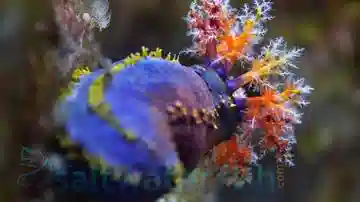

Sea Cucumbers In Saltwater Aquariums: FAQ
Yes, sea cucumbers can be excellent natural cleaners for saltwater aquariums when the right species is chosen and the tank is properly set up. Often called “living vacuum cleaners,” many sea cucumbers specialize in consuming detritus, uneaten food, and organic waste trapped in sand beds, helping maintain cleaner substrate and more stable nutrient levels. However, they are not a universal solution and must be added thoughtfully.
How sea cucumbers help clean your tank:
Detritus & waste removal
Sand-sifting sea cucumbers ingest sand, digesting organic material, algae films, and detritus before expelling clean sand. This process:
Reduces nutrient buildup
Improves sand bed oxygenation
Helps control nuisance algae indirectly
Natural nutrient recycling
By processing waste, sea cucumbers convert detritus into forms more easily handled by your biological filtration, supporting long-term tank stability.
Which sea cucumbers are best for cleaning?
Sand-sifting sea cucumbers (most recommended)
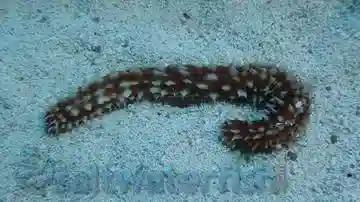
Tiger Tail Sea Cucumber
Yellow Sea Cucumber
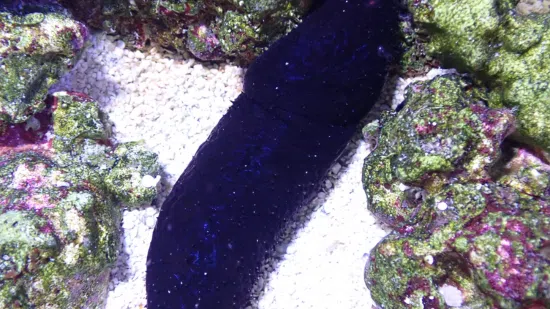
Black Sea Cucumber
These species are peaceful, reef-safe, and effective sand cleaners.
Species to avoid or use caution with:
Filter-feeding sea cucumbers (often starve in captivity)
Highly toxic species (can release toxins if severely stressed or killed)
Choosing captive-suitable species is critical.
One Saltwaterfish.com reviewer of the Tiger Tail Cucumber shared: “To keep it short, I'm an impulsive reefer. When I put it in, it snugged up against a coral and didn't move, I thought it was dead, gave it time, it's alive\! Very slow mover, seems it's because it's a detail cleaner of the sand. Really nice addition to my tank.”
Important safety considerations:
Sea cucumbers require established tanks (6+ months old).
They need a large sand bed with sufficient natural food.
Avoid aggressive fish, triggers, puffers, or large wrasses.
Protect powerheads and overflows: cucumbers can be injured by intakes.
While rare, stressed cucumbers can release toxins, so stability matters.
Pro tips for success:
Add only one cucumber per tank unless the system is very large.
Supplement feeding if sand appears too clean.
Maintain stable salinity and temperature at all times.
- Choose sand-sifters specifically labeled reef-safe.
Bottom line:
Sea cucumbers can be very effective, reef-safe cleaners, especially for managing dirty sand beds and detritus but only when the right species is chosen and the tank is mature. For responsibly sourced, tank-ready sea cucumbers backed by Saltwaterfish.com’s 8-Day Live Guarantee.
Not all sea cucumbers are reef safe, but when hobbyists talk about “reef-safe sea cucumbers,” they are almost always referring specifically to sand-sifting species that live on and within the substrate. These species are valued not because they eat algae or interact with corals, but because they quietly process sand without disturbing reef structures or livestock.
The most consistently reef-safe sea cucumbers kept in home aquariums include:
Tiger Tail Sea Cucumber (Holothuria spp.)
One of the most popular and reliable reef-safe cucumbers
Constantly sifts sand, removing detritus and waste
Peaceful and completely coral-safe
Ideal for established reef tanks with sand beds
Excellent sand cleaner
Reef safe with corals and fish
Requires a mature tank with sufficient natural food
Black Sea Cucumber (sand-sifting varieties)
Effective detritus consumer
Safe for mixed reef tanks
Best suited for larger aquariums with deep sand beds
What makes these cucumbers reef safe is not just species selection, but behavioral specialization. Sand sifters stay on the substrate and avoid rockwork, which prevents coral irritation and preserves beneficial bacteria. They are also slow-moving and non-aggressive, making them ideal for mixed reef environments.
Sea cucumbers to avoid in reef tanks:
Filter-feeding sea cucumbers often starve in captivity
Highly toxic species may release toxins if severely stressed or injured
- Non-sand-sifting species offer little cleaning benefit
While the risk is low with reef-safe species, all sea cucumbers should be protected from powerheads and aggressive fish to prevent injury.
One Saltwaterfish.com reviewer of the Yellow Cucumber shared: “Love the look.”
Bottom line:
The most reef-safe sea cucumbers are sand-sifting species like Tiger Tail, Yellow, and Black Sea Cucumbers. When kept in mature aquariums with adequate sand beds, they are peaceful, effective cleaners that enhance long-term reef health. For responsibly sourced, reef-safe sea cucumbers backed by Saltwaterfish.com’s 8-Day Live Guarantee.
Sea cucumbers are often misunderstood as difficult or risky, but in reality, reef-safe sand-sifting sea cucumbers are moderately easy to keep when added to the right environment. They are not beginner invertebrates, yet they are far from fragile or high-maintenance when their core needs are met.
Why sea cucumbers can be challenging for some hobbyists:
Timing is a challenge
The biggest challenge with sea cucumbers is not feeding or water chemistry, but timing. These animals depend almost entirely on naturally occurring food within the sand bed. Tanks that are too new or aggressively cleaned simply don’t provide enough nutrition. This is why sea cucumbers struggle in systems under six months old, even when all parameters look “perfect.”
Once placed in a mature reef with visible detritus, sea cucumbers become low-effort additions. They do not require daily feeding, special lighting, or complex care routines. Most hobbyists who experience success describe them as “set and forget” cleaners that quietly do their job.
Cucumbers are physically delicate
Sea cucumbers are also physically delicate, which means they require basic equipment protection. Covered powerheads and overflows eliminate the vast majority of risk. When housed with peaceful tankmates and stable salinity, problems are rare.
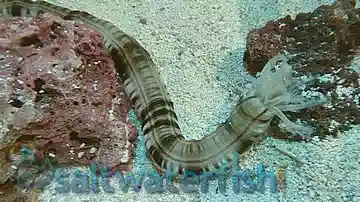
One Saltwaterfish.com reviewer of the Medusa Worm shared: “The Medusa Worm was shipped extremely well, and it was a perfect addition to my reef tank. I acclimated according to the instructions, and I have had no problems with any of the fish I have received. What more can you ask for? Cheaper then my local fish store and it was delivered to my front door the next day.”
Bottom line:
In short, sea cucumbers are easy to keep when the tank is ready for them. They are not demanding animals — they are simply honest indicators of whether a system is mature enough to support them. For reef-safe, responsibly sourced sea cucumbers backed by Saltwaterfish.com’s 8-Day Live Guarantee, explore the Sea Cucumber Collection and add a natural sand-cleaning solution to your reef with confidence.
In a reef aquarium, most reef-safe sea cucumbers are detritivores, meaning they feed primarily on organic waste found in the sand bed, not on corals, fish, or algae sheets. Their diet consists of microscopic food sources that naturally accumulate in established tanks, which is why they’re often described as “living sand cleaners.” Understanding what sea cucumbers actually eat is essential for keeping them healthy long term.
Primary foods sea cucumbers eat in reef tanks:
Detritus and organic waste
Sea cucumbers ingest sand and extract:
Uneaten fish food
Fish waste
Decaying organic matter
Biofilms and microorganisms
They then expel the cleaned sand back into the tank, helping keep substrates fresh and oxygenated.
Microalgae & bacterial films
They consume the thin layers of microalgae and bacteria that coat sand grains, an important part of nutrient recycling in reef systems.
Leftover particulate foods
Fine particles from frozen foods, pellets, and coral foods that settle into the sand become an important supplemental food source.
*What sea cucumbers do not eat:
Corals (LPS, SPS, soft corals, zoanthids)
Macroalgae sheets (nori)
Meaty foods like shrimp or fish
Large algae growth
They are not algae grazers like tangs or snails.
Do sea cucumbers need supplemental feeding?
In established tanks (6+ months old) with active fish populations, most sand-sifting sea cucumbers do not need direct feeding. In very clean systems or bare-bottom tanks, however, they may require:
Occasional powdered coral foods
Fine particulate plankton foods
Spot-feeding near the sand bed
One Saltwaterfish.com reviewer of the Sea Apple shared: “This is the most amazing sea cucumber I have ever seen. The one I received is huge, but it's doing well in my tank\! The tentacles only seem to come out in the evening/overnight hours, but I've only had it for less than a week.”
Pro feeding tips for sea cucumbers:
Only add to tanks with visible sand detritus
Avoid over-cleaning the sand bed
Do not keep in bare-bottom systems
Monitor body thickness; shrinking can indicate starvation
- Limit to one cucumber per tank unless the system is very large
Bottom line:
Sea cucumbers in reef aquariums eat detritus, organic waste, and microscopic life within the sand bed, making them effective natural cleaners rather than traditional feeders. When placed in mature tanks with healthy sand beds, they require little to no direct feeding. For reef-safe, responsibly sourced sea cucumbers backed by Saltwaterfish.com’s 8-Day Live Guarantee.
Yes, some sea cucumbers are capable of releasing toxins, but this risk is widely misunderstood and often overstated. In home aquariums, toxin release is extremely rare when reef-safe sand-sifting species are chosen and kept properly.
The compound most often referenced, holothurin, is not released casually or randomly. It is a defensive response that occurs almost exclusively when a sea cucumber is severely injured, killed, or subjected to extreme stress. Healthy sea cucumbers living undisturbed in stable reef systems do not pose an ongoing toxin threat.
How to prevent toxin issues:
Use powerhead guards and cover overflow intakes
Add sea cucumbers only to established tanks (6–9+ months old)
Avoid aggressive predators
Maintain stable salinity (1.024–1.026) and temperature (76–78°F)
Remove immediately if severely injured (run carbon and perform a water change)
One Saltwaterfish.com reviewer of the Pink and Black Cucumber shared: “Arrived alive and thriving in tank.”
Bottom line:
While sea cucumbers can* release toxins, reef-safe sand-sifting species pose minimal risk when kept in mature, stable aquariums with proper equipment protection. Problems are rare and preventable with good husbandry. For responsibly sourced, reef-safe sea cucumbers backed by Saltwaterfish.com’s 8-Day Live Guarantee, explore the Sea Cucumber Collection and add a powerful natural cleaner to your reef with confidence.
The minimum tank size for most reef-safe sea cucumbers is 40–50 gallons, but tank maturity and sand bed size are just as important as total volume. Sea cucumbers are not traditional “space users” like fish. Instead, their survival depends on having enough established sand surface area to provide a constant supply of detritus and organic material to eat. A larger tank offers more stability, food availability, and long-term success.
Minimum tank size by sea cucumber type:
Sand-sifting sea cucumbers (most common & recommended)
Minimum: 40–50 gallons
Ideal: 75+ gallons
Require a well-established sand bed (at least 1–2 inches deep)
Examples: Tiger Tail, Yellow, Black Sea Cucumbers
These species continuously process sand, so smaller tanks may not generate enough natural food long term.
Larger sand-sifting species
Minimum: 75–100 gallons
Best for large, mature reef systems with expansive sand beds
Not recommended for nano or mid-size tanks
Tanks that are not suitable for sea cucumbers:
Nano tanks (under 30 gallons)
Bare-bottom systems
Newly established tanks (under 6 months old)
Tanks with aggressive fish or uncovered powerheads
One Saltwaterfish.com reviewer of the Sea Apple shared: “I love these guys.”
Why tank size matters for sea cucumbers:
Larger tanks produce more detritus and microfauna
Greater stability reduces stress (and toxin risk)
More sand surface area prevents starvation
Easier to maintain consistent salinity and temperature
Pro tips for choosing the right tank size:
Prioritize sand surface area, not just gallons
Keep one cucumber per tank unless the system is very large
Avoid over-cleaning the sand bed
Use pump guards and overflow covers
Monitor body thickness, shrinking can signal insufficient food
Bottom line:
While some sea cucumbers can survive in 40–50 gallon tanks, they truly thrive in larger, mature reef systems with ample sand beds. Proper tank size ensures they have enough food, remain stress-free, and provide long-term sand-cleaning benefits. For reef-safe sea cucumbers backed by Saltwaterfish.com’s 8-Day Live Guarantee.
The risks of adding a sea cucumber are real but narrowly defined, and most are avoidable with proper planning. Sea cucumbers are not aggressive, invasive, or destructive, but they are specialized animals that rely on specific conditions to thrive.
Primary risks of keeping a sea cucumber:
Starvation in immature or overly clean tanks
The most common risk is starvation. Sea cucumbers do not eat algae sheets or prepared foods in the traditional sense. If a tank lacks a detritus-rich sand bed, they will slowly decline even though water parameters appear stable. This makes immature, bare-bottom, or over-cleaned tanks unsuitable.
Physical injury from equipment
The second risk is physical injury. Sea cucumbers are soft-bodied and slow-moving, which means unprotected powerheads and overflows can be dangerous. Equipment-related injuries account for the vast majority of serious incidents involving cucumbers.
Compatibility issues
A third, less common risk involves compatibility. While sea cucumbers are coral-safe, they are vulnerable to aggressive fish. These fish may harass or injure them, creating unnecessary stress.
Avoid tanks with:
Triggerfish
Puffers
Large wrasses
Aggressive crabs
One Saltwaterfish.com reviewer of the Pink and Black Cucumber shared: “He buried himself in the sand. Hopefully he’s doing his job.”
Bottom line:
The risks of adding a sea cucumber are real but manageable. When kept in a mature reef tank with proper equipment protection and peaceful tankmates, reef-safe sea cucumbers are hardy, effective sand cleaners with a very low chance of problems. For responsibly sourced, reef-safe sea cucumbers backed by Saltwaterfish.com’s 8-Day Live Guarantee.
A healthy sea cucumber is usually easy to recognize once you know what normal behavior looks like. In reef aquariums, reef-safe sand-sifting sea cucumbers should appear active, full-bodied, and consistently engaged with the sand bed. Because sea cucumbers are slow-moving and subtle by nature, changes in appearance or behavior are often the earliest indicators of a problem.
Signs of a healthy sea cucumber:
Consistent movement and sand processing
Healthy cucumbers move steadily across the substrate, ingesting sand and leaving behind clean, processed trails. They don’t need to be fast. Slow, purposeful motion is normal and desirable.
Full, firm body shape
A healthy sea cucumber looks plump and evenly filled, not shriveled or deflated. Mild changes in shape throughout the day are normal, but long-term thinning is not.
Normal coloration
Color should be consistent with the species (tan, brown, yellow, black, or patterned). Slight color variation is normal, but sudden paling, blotching, or lesions can signal stress.
Strong attachment to the substrate
Healthy cucumbers grip the sand well and aren’t easily blown around by flow.
What may indicate a problem:
Persistent shrinking or thinning (often starvation)
Long periods of complete inactivity
Floating or being blown around the tank
Tears, injuries, or exposed internal tissue
Avoidance of the sand bed
Sudden disappearance in a tank with predators
One Saltwaterfish.com reviewer of the Yellow Cucumber shared: “Very small but interesting.”
Pro tips for maintaining sea cucumber health:
Keep only in established tanks (6–9+ months old)
Ensure a detritus-rich sand bed, don’t over-vacuum
Use powerhead guards and covered overflows
Avoid aggressive tankmates
Maintain stable salinity (1.024–1.026) and temperature (76–78°F)
Run activated carbon as a precaution
Bottom line:
A healthy sea cucumber is active, full-bodied, and constantly sifting sand. Most health issues stem from starvation, stress, or equipment hazards, all preventable with proper setup and stability. For reef-safe, tank-conditioned sea cucumbers backed by Saltwaterfish.com’s 8-Day Live Guarantee, explore the Sea Cucumber Collection and add a dependable, natural sand cleaner to your reef with confidence.