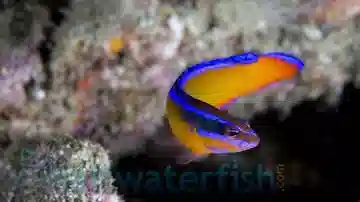
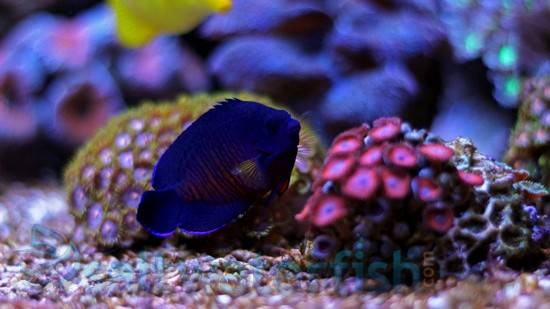
Neon Dottyback - Captive Bred
Pseudochromis aldabraensis
(7 Reviews)
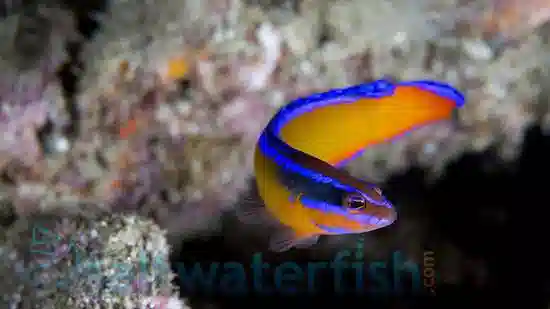
Neon Dottyback - Captive Bred
Pseudochromis aldabraensis
(7 Reviews)
Neon Dottyback - Captive Bred
Size: <1.25"
$49.99
Neon Dottyback - Captive Bred
Size: 1.25 - 2.25"
$49.99
Neon Dottyback - Captive Bred
Size: 1.25 - 2.25"
$49.99
Neon Dottyback - Captive Bred
Size: 1.25 - 2.25"
$61.99
To join the waiting list, click here
Free Shipping
With
$199.00
or more in Marine Life.
More details...

Neon Dottyback - Captive Bred Care Facts
| Care Level: | Easy |
|---|---|
| Temperament: | Semi-Aggressive |
| Diet: | Carnivore |
| Reef Safe: | Yes |
| Minimum Tank Size: | 30 gallons |
| Max Size: | 4 inches |
Neon Dottyback (Pseudocromis aldabraensis) is a hardy marine fish known for its bright orange body and electric blue facial stripes, making it a popular choice for reef keepers who want color, movement, and easy day-to-day care. Many hobbyists ask whether neon dottybacks are aggressive or if they are reef safe, and this species continues to earn trust because it adapts well, eats readily, and thrives in community setups when given the right tank size and hiding places. Its active swimming and bold personality appeal to beginners and experienced aquarists, while captive-bred availability from reputable breeders offers added confidence in long-term success. Customers choose this species because it settles quickly, ships reliably, and has a strong track record of healthy, long-lived results in home aquariums.
Appearance
The Neon Dottyback has a bright orange body with narrow electric blue stripes around the face, gill cover, and dorsal region. The color stays vivid as adults, and the compact body shape gives them quick, darting movement among rockwork and caves.
Care & Requirements
Neon Dottybacks do well in a 30-gallon or larger tank because the extra room reduces aggression and supports stable water conditions. They rely on rockwork, caves, and crevices that let them establish a territory and retreat when startled. A protein-rich diet of mysis, brine, chopped seafood, and quality pellets keeps them active and maintains strong coloration. Stable salinity, good filtration, and consistent maintenance help avoid territorial pressure, especially in smaller aquariums. Most individuals adapt quickly and accept prepared foods within the first few days.
Do neon dottybacks need hiding places?
Yes, they rely on rockwork and caves to feel secure and to reduce territorial behavior.
How often should a neon dottyback be fed?
Feed small portions 1–2 times daily, focusing on meaty foods.
Can beginners keep a neon dottyback?
Yes, as long as the tank meets the 30-gallon minimum and includes rockwork for shelter.
Behavior
Neon Dottybacks are semi-aggressive and defend small territories, especially around caves. They are confident swimmers and stay active during the day. When added as one of the last fish in a stocking plan, they coexist more peacefully with other species.
Tank Mates & Compatibility
Neon Dottybacks work well with medium, robust fish such as wrasses, clownfish, hawkfish, and tangs. They may chase timid fish and should not be paired with very small species that cannot defend themselves. Avoid housing them with other dottybacks unless the tank is large enough to prevent territorial overlap. Adding them later in the stocking order helps reduce conflicts.
Are neon dottybacks safe with invertebrates?
Yes, they generally ignore snails, crabs, and shrimp that are not extremely small.
Can two neon dottybacks live together?
Usually no, unless the tank is large and both individuals have defined territories.
Are neon dottybacks reef safe?
They do not harm corals and are considered reef safe with normal caution.
Aquaculture/Availability
Current availability includes captive-bred Neon Dottybacks from well-known marine aquaculture facilities. Captive-bred fish usually adapt faster to prepared foods and show lower aggression than wild-caught specimens. Availability can vary during certain seasons, but supply is generally consistent for this species.
Are captive-bred neon dottybacks hardier than wild-caught?
Yes, they typically ship better and adjust faster to aquarium life.
Is the Neon Dottyback available year-round?
Most of the year, though supply can tighten during peak seasonal demand.
Do captive-bred neon dottybacks show less aggression?
Many keepers report more predictable, manageable behavior in captive-bred individuals.
FAQ
How long do Neon Dottybacks live in a home aquarium?
Most individuals live 5–7 years with stable water quality, regular feeding, and a tank that offers caves and hiding spots. A larger aquarium and consistent parameters help extend lifespan.
What should I feed a Neon Dottyback for the best color?
A diet rich in mysis shrimp, brine shrimp, chopped seafood, and high-quality pellets maintains strong orange coloration. Feeding small amounts twice daily supports healthy growth and activity.
Will a Neon Dottyback eat small invertebrates?
They ignore most reef invertebrates, but tiny shrimp, such as newly-settled cleaners, may be at risk. Larger ornamental shrimp are usually safe once established.
How do I introduce a Neon Dottyback to avoid aggression?
Add them as one of the final fish in the stocking plan so they cannot claim the entire tank as their territory. Providing multiple caves spreads out territorial claims.
Can a Neon Dottyback live in a nano reef?
A 30-gallon minimum is needed. Tanks under this size create territorial pressure, which increases aggression and stress for tank mates.
Do Neon Dottybacks jump?
They can jump when startled, so a tight lid or mesh cover is recommended to prevent escapes.
How long does acclimation take for a Neon Dottyback?
Most settle within a few hours and begin exploring rockwork within the first day. Many captive-bred individuals begin eating prepared foods almost immediately.
Are Neon Dottybacks suitable for mixed-reef systems?
Yes, they work well in mixed reefs containing soft corals, LPS, and SPS, provided tank mates are chosen carefully and the fish has adequate space. will be placed here after the analysis report.)
Reviewed by: Gary Sparks on June 3, 2024
One of my Favorites. Stunning color. Great personality
Reviewed by: Tylan Hansen on Oct. 2, 2019
Reviewed by: Dp on Oct. 8, 2014
Reviewed by: Mary Stone on Oct. 7, 2014
Reviewed by: Darcitananda on Sept. 18, 2014
Great little fish as advertised.
Reviewed by: Joseph H Shotwell on Sept. 6, 2014
What a stunner! this fun, inquisitive moderately aggressive fish is a darting splash of color that ranges around the tank. acclimates easily and quickly blends in. does like a piece of rock to call home, which it will tend to retire to at night. very pleased...
Reviewed by: John on July 31, 2014