Debelius / Koi Fairy Wrasse
cirrhilabrus adornatus
(1 Reviews)
Debelius / Koi Fairy Wrasse
cirrhilabrus adornatus
(1 Reviews)
Debelius/Koi Fairy Wrasse: Female
Size: < 2"
$70.99
Debelius/Koi Fairy Wrasse: Female
Size: 2 - 3"
$76.99
Debelius/Koi Fairy Wrasse: Female
Size: 3 - 4"
$80.99
Debelius/Koi Fairy Wrasse: Male
Size: < 2"
$104.99
To join the waiting list, click here
Free Shipping
With
$199.00
or more in Marine Life.
More details...

Debelius / Koi Fairy Wrasse Care Facts
| Care Level: | Moderate |
|---|---|
| Temperament: | Peaceful |
| Diet: | Carnivore |
| Reef Safe: | Yes |
| Minimum Tank Size: | 50 Gallons |
| Max Size: | 3 inches |
The Debelius Fairy Wrasse (Cirrhilabrus adornatus), also known as the Koi Fairy Wrasse, offers reliable color, peaceful behavior, and active swimming that helps bring movement to a reef tank. Many hobbyists search for whether a Debelius Fairy Wrasse is reef safe or how it compares to other wrasses, and this species consistently stands out because it stays small, adapts well, and settles quickly when placed in a stable aquarium.
Appearance
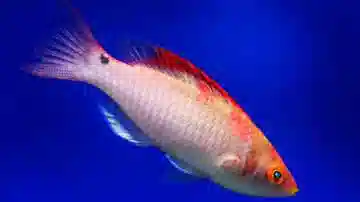
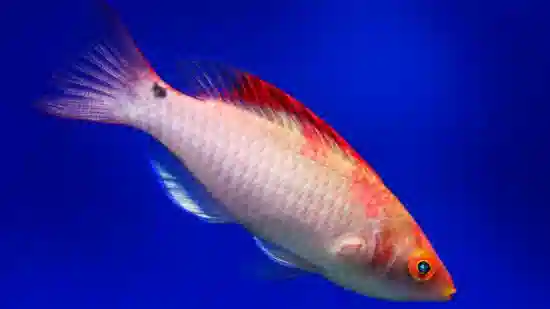
Males display pink to whitish bodies with red blotches and a red-bordered dorsal fin, often with yellow facial highlights. Females show softer pink tones with a small black spot near the tail. Both sexes exhibit quick flashing behavior when active, especially during feeding or social displays.
Care & Requirements
The Debelius Fairy Wrasse responds best to stable water conditions, regular feeding, and a secure lid due to its natural jumping behavior. A 50-gallon tank provides enough swimming space and allows rock structures with crevices for nighttime shelter. This species does not bury in sand but forms a mucus cocoon for rest, so no deep sand bed is required. It remains reef safe in most setups but may prey on tiny ornamental shrimp. Feeding a mix of frozen mysis, copepods, and small pellets keeps it conditioned and active.
Is the Debelius Fairy Wrasse hard to keep?
It adapts well once settled and mainly needs stable water and regular feeding.
Does the Debelius Fairy Wrasse sleep in the sand?
No, it forms a mucus cocoon and shelters in rock crevices.
Do Debelius Fairy Wrasses jump?
Yes, a fitted lid is essential.
Identification: Male vs Female
Males show brighter red markings on the upper body and more color on the dorsal fin, while females remain mostly pink with a dark spot near the tail. Size difference is minor, with males often slightly longer and thicker.
Tank Mates & Compatibility
This species mixes well with peaceful community fish such as anthias, gobies, flasher wrasses, and most fairy wrasses. Avoid aggressive wrasses or housing multiple males of the same species to reduce territorial behavior. Invertebrates are generally safe except for very small shrimp, which may be seen as prey. Provide multiple hiding spots to reduce stress during acclimation.
Can you keep more than one Debelius Fairy Wrasse?
Only in larger tanks with one male and multiple females.
Are they compatible with cleaner shrimp?
Adult shrimp are usually safe, but tiny juveniles may be at risk.
Can Debelius Fairy Wrasses live with clownfish?
Yes, they coexist peacefully in most reef systems.
Aquaculture/Availability
Currently, captive-bred specimens are not widely available; most trade relies on wild-caught collection from Indonesia. Availability varies seasonally, with males sometimes less common than females depending on collection runs.
Are captive-bred Debelius Fairy Wrasses available?
They are not commonly produced in captivity at this time.
Is there a difference in hardiness between male and female imports?
Both sexes ship similarly when handled properly.
Do seasonal changes affect availability?
Yes, weather and collection conditions influence supply.
FAQ
How big does a Debelius Fairy Wrasse get in a home aquarium?
Most individuals reach about 3 inches, which makes them smaller than many other fairy wrasses. They maintain their adult color even at this size and do well in a 50-gallon tank or larger.
What does a Debelius Fairy Wrasse eat daily?
They thrive on small meaty foods like mysis, brine, copepods, and quality micro-pellets. Feeding twice a day helps maintain energy and consistent coloration.
Is the Debelius Fairy Wrasse suitable for beginners?
It works well for hobbyists who can provide stable water parameters and a secure lid. Its peaceful nature makes it easier to integrate into community tanks compared to more aggressive wrasses.
How do you acclimate a Debelius Fairy Wrasse?
Use a slow drip acclimation, then dim lighting during introduction. Provide rock crevices for hiding on the first day, as this reduces stress and helps the fish settle faster.
Can the Debelius Fairy Wrasse change color?
Yes, males often intensify color during social interactions or feeding. Females remain consistent but may display subtle brightening over time.
Does this species require sand to feel secure?
No, it prefers rock crevices and does not bury in the substrate. A sand bed is optional.
How long does it take for a Debelius Fairy Wrasse to settle in a tank?
Most adjust within a few days, especially when offered frequent small meals and quiet tank conditions.
Can it live in a tank with high flow?
Yes, moderate to strong flow suits their active swimming style, as long as there are low-flow resting areas in the rockwork.
Reviewed by: Richard Thomas on Sept. 24, 2014