


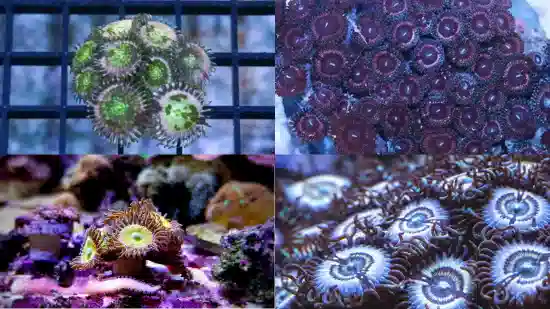
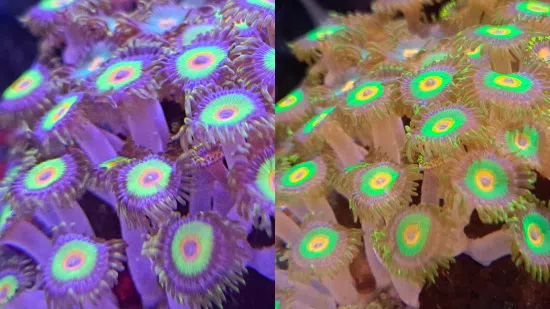
Zoanthids In Saltwater Aquariums: FAQ
Zoanthids (often called “zoas”) are among the most popular and beginner-friendly corals in the saltwater hobby. Known for their vibrant colors, fast growth, and adaptability, zoanthids thrive in a wide range of reef environments. Their hardiness makes them an excellent choice for new reefers, while their endless color morphs attract advanced collectors. With proper placement, stable water conditions, and controlled nutrient levels, zoanthids quickly become one of the most rewarding corals in a reef tank.
Key elements of zoanthid care:
Moderate lighting
Zoanthids prefer low to moderate light (50–150 PAR). Too much light may cause them to shrink or fade. Start them low and gradually move them up if needed.
Gentle–moderate flow
Flow should be enough to keep detritus off their mat and allow gentle polyp movement. Avoid direct, blasting flow that may cause polyps to close.
Stable water parameters
Zoanthids tolerate a wide range of water conditions but thrive with:
Temperature: 76–78°F
Salinity: 1.024–1.026
Nitrate: 5–20 ppm
Phosphate: 0.03–0.10 ppm
Alkalinity: 8–9.5 dKH
Zoas prefer nutrient-rich systems compared to SPS corals. Too-clean water may cause slow growth or small polyps.
Feeding
Zoanthids are primarily photosynthetic but benefit from occasional feedings of:
Reef roids
Phytoplankton
Coral-focused liquid foods
Feeding once a week can boost growth and color.
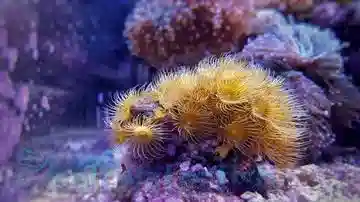
One Saltwaterfish.com reviewer of the Yellow Polyp shared: “Really nice value, put them in and they all opened up right away. They're very resilient with my crabs climbing all over them. They close up and then reopen really quickly once the crab moves on. Very pleased with this addition to my tank.”
Pro zoanthid care tips:
Place zoas on isolated rocks to prevent fast-growing varieties from spreading into other corals.
Dip all new zoanthids to avoid pests like nudibranchs or spiders.
Keep nutrients detectable: zoas dislike ultra-low nitrate or phosphate.
Handle with care; some species contain palytoxin. Wear gloves and avoid cutting near your face.
- Keep lighting stable; sudden increases can cause bleaching.
Bottom line:
Zoanthids are easy, colorful, and fast-growing corals that flourish with moderate light, gentle flow, and stable, nutrient-rich reef conditions. Their adaptability makes them perfect for both beginner reef tanks and high-end collector systems. For tank-conditioned zoanthids backed by Saltwaterfish.com’s 8-Day Live Guarantee, explore the Zoanthid Collection and build a vibrant, thriving reef with confidence.
Zoanthids (commonly called “zoas”) are colorful, hardy, colony-forming soft corals that have become one of the most popular additions to saltwater aquariums. Known for their vibrant patterns, eye-catching color morphs, and fast growth, zoanthids offer reef keepers an easy, low-maintenance way to add dramatic visual impact to their tanks. Because they tolerate a wide range of lighting, flow, and nutrient conditions, zoanthids are ideal for both beginners building their first reef and advanced hobbyists creating high-end designer collections.
What makes zoanthids unique:
Colony-forming polyps
Zoas grow in mats composed of individual polyps connected by a shared base. Over time, they spread across rockwork, forming carpets or islands of color.
Wide range of colors and morphs
From neon greens and electric oranges to rare multicolor and metallic varieties, zoanthids are some of the most visually diverse corals in the hobby. Designer strains are highly sought after by collectors.
Highly adaptable
Zoanthids thrive in low to moderate lighting (50–150 PAR) and gentle–moderate flow. They perform exceptionally well in nutrient-rich environments with nitrate levels between 5–20 ppm and phosphate 0.03–0.10 ppm.
Ideal for mixed reefs
They coexist peacefully with most corals and fish, making them a staple coral for tanks of all sizes.
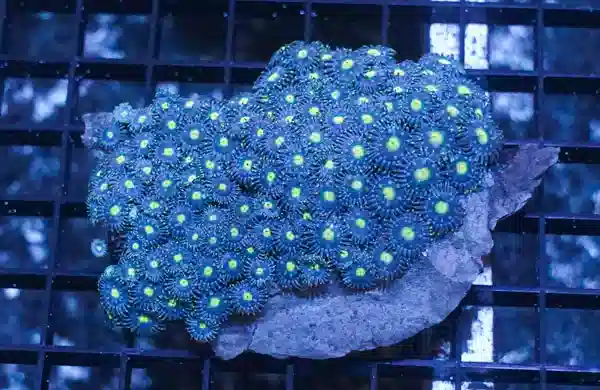
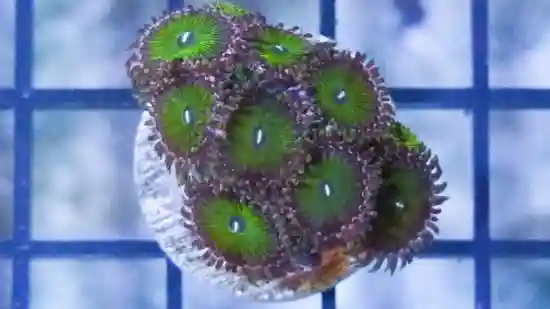
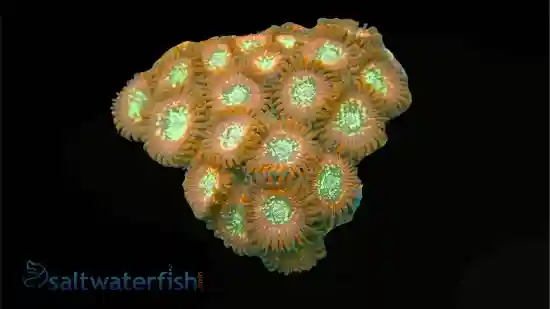
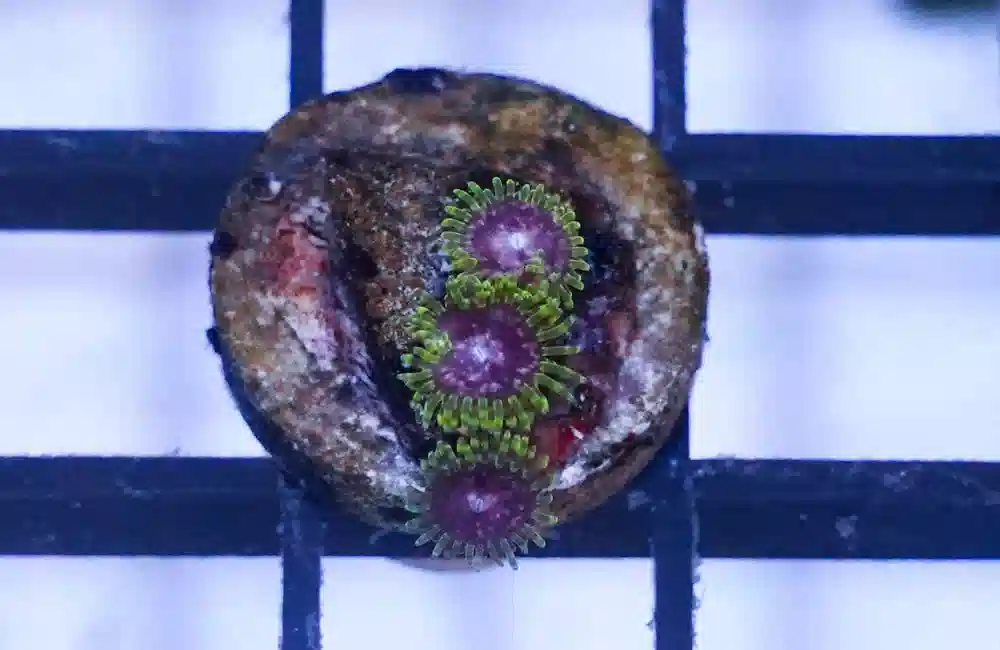
One Saltwaterfish.com reviewer of the Green Colony Rock Zoanthid shared: “Very nice piece of coral The colony rock is covered very bright green.”
Pro insights for keeping zoanthids:
Place them on isolated rocks to control spread. Some varieties grow quickly.
Dip new zoanthids to prevent pests such as zoa-eating nudibranchs or spiders.
Keep nutrients detectable; zoanthids dislike ultra-clean water.
Maintain stable lighting: rapid increases can cause shrinking or bleaching.
- Feed occasionally with particulate coral foods to boost growth and coloration.
Bottom line:
Zoanthids are vibrant, hardy soft corals that bring movement, color, and rapid growth to saltwater aquariums. Their adaptability and endless variety make them favorites among both new reef keepers and seasoned collectors. For tank-conditioned zoanthids backed by Saltwaterfish.com’s 8-Day Live Guarantee, explore the Zoanthid Collection and build your reef with confidence.
Yes, zoanthids are fast-spreading, colony-forming corals that readily grow across live rock in a saltwater aquarium. Their ability to rapidly expand makes them both a favorite among reef keepers and a coral that requires thoughtful placement. Zoanthids spread by extending a mat-like tissue called a coenenchyme, from which new polyps bud and colonize nearby surfaces. Under stable conditions, they can quickly transform bare rock into vibrant fields of color and texture.
How zoanthids spread on live rock:
Mat extension: The base tissue creeps outward, attaching firmly to the rock.
Polyp budding: New polyps form along the edges, expanding the colony.
Rapid growth: Zoas thrive in nutrient-rich environments, allowing fast expansion.
Anchoring to rough surfaces: Porous, textured live rock helps zoas grip and grow.
Ideal conditions that accelerate spreading:
Light: Low–moderate lighting (50–150 PAR) encourages healthy growth.
Flow: Gentle–moderate flow keeps detritus off their mat and supports nutrient exchange.
Nutrients: Nitrate 5–20 ppm and phosphate 0.03–0.10 ppm fuel growth.
Stable parameters: Consistency in salinity, alkalinity, and temperature encourages colony expansion.
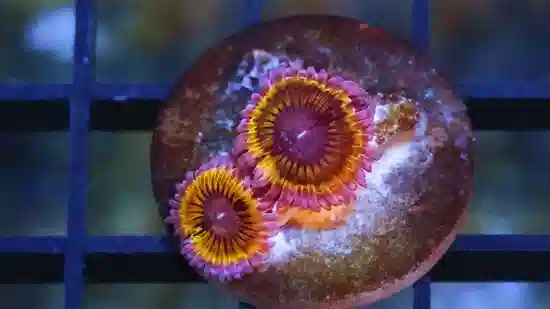
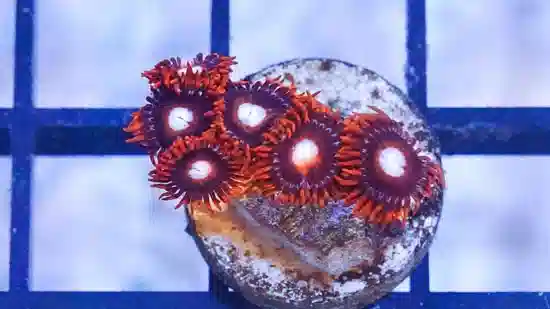
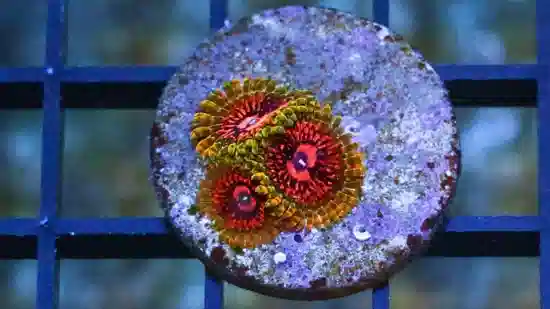
One Saltwaterfish.com reviewer of the Orange w/ Red Colony Rock Zoanthid shared: “Love these zoas but my wife won’t let me get more because I already own so many. You get a good size frag with lots of polyps for a fraction of the price you would get anywhere else.”
Pro tips for managing zoanthid spreading:
Use isolated rocks for fast-spreading varieties like Green Star Zoas to prevent them from overtaking other corals.
Monitor nearby species: zoas can crowd slower-growing corals if left unchecked.
Regular fragging helps manage colonies and share or trade new growth.
Avoid placing them near aggressive LPS with long sweeper tentacles.
- Dip all new zoas to avoid pests like nudibranchs or spiders that may hitchhike in the colony.
Bottom line:
Zoanthids absolutely spread on live rock, often rapidly, creating colorful, dynamic mats that enhance any reef tank. Their fast growth makes them both rewarding and important to place strategically. For tank-conditioned zoanthids backed by Saltwaterfish.com’s 8-Day Live Guarantee.
Yes, zoanthids are fully compatible with clownfish and gobies, making them an excellent coral choice for peaceful community reef tanks. Zoanthids are hardy, non-aggressive soft corals, while clownfish and gobies are small, reef-safe fish that won’t nip, sting, or disturb coral tissue. This combination is extremely popular among hobbyists because it creates a colorful, dynamic reef environment without introducing risk to the coral or the fish.
Why zoanthids and clownfish work well together:
Clownfish are reef-safe: They do not eat or damage soft corals.
Hosting behavior rarely affects zoanthids: While clownfish may attempt to “host” in certain corals, they almost never choose zoanthids due to their small size.
Compatible environmental needs: Both thrive in moderate flow, moderate lighting, and stable reef parameters.
Nutrient tolerance: Clownfish add nutrients to the tank that zoanthids appreciate, since zoas prefer nitrate levels of 5–20 ppm rather than ultra-clean water.
Why zoanthids and gobies are a great match:
Gobies are gentle, bottom-dwelling fish that rarely bother corals.
Sand-sifting species may occasionally dust nearby corals, but zoanthids tolerate this far better than many LPS or SPS corals.
Rock-dwelling gobies like clown gobies perch near zoas without harming them.
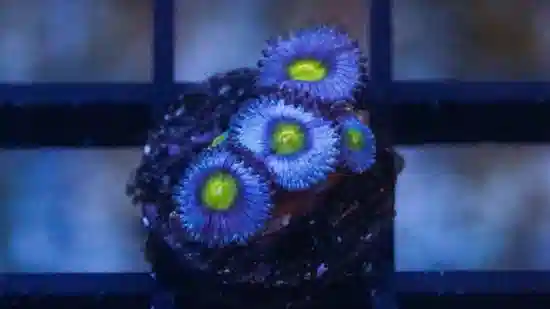
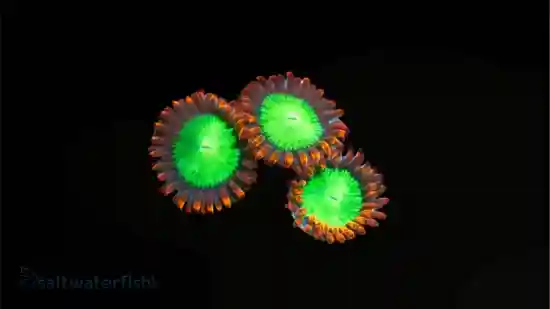
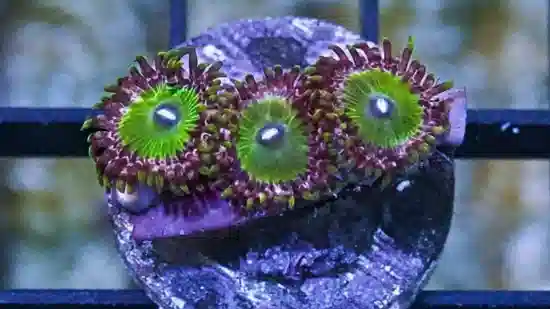
One Saltwaterfish.com reviewer of the Blue/Green Zoanthid shared: “It shipped well and opened up right away.”
Pro compatibility tips:
Place zoanthids on island rocks so they can spread without overrunning slower-growing corals.
Ensure gobies have access to sand or crevices depending on species.
Keep moderate flow to prevent detritus from settling around zoa mats.
Dip new zoa frags to prevent pests (nudibranchs, spiders) that could harm the colony.
Maintain stable nutrients and lighting for optimal polyp extension and growth.
Bottom line:
Zoanthids are excellent companions for both clownfish and gobies. All three thrive under similar reef conditions, coexist peacefully, and contribute to a lively, colorful aquarium. For tank-conditioned zoanthids backed by Saltwaterfish.com’s 8-Day Live Guarantee, explore the Zoanthid Collection and confidently build a harmonious, vibrant reef community.
Yes, zoanthids are highly compatible with both LPS and soft corals, making them an excellent choice for mixed reef aquariums. Their hardiness, moderate growth rate, and adaptability allow them to coexist peacefully with a wide range of coral species. However, because zoanthids can spread quickly, proper placement and routine maintenance are essential to prevent them from overtaking slower-growing neighbors.
Why zoanthids work well in mixed reefs:
Compatible water requirements
Zoanthids thrive in nutrient-rich environments with:
Nitrate: 5–20 ppm
Phosphate: 0.03–0.10 ppm
Moderate lighting (50–150 PAR)
These parameters overlap perfectly with many LPS and most soft corals.
Peaceful behavior
Zoanthids do not sting aggressively or release long sweeper tentacles, reducing the risk of coral warfare. Their gentle growth pattern makes them safe around leathers, mushrooms, GSP, frogspawn, hammers, and more.
Adaptable to various flow zones
Zoanthids thrive in gentle–moderate flow, which is ideal for most soft corals and many LPS such as torches, hammers, and trumpets.
One Saltwaterfish.com reviewer of the Assorted Caribbean Zoanthid Frag shared: “I got two different kinds and they are doing great. Can’t wait for them to grow bigger.”
What to watch out for in mixed zoa/LPS/soft coral setups:
Spreading: Zoanthids can overgrow slower corals like chalices or certain leathers if left unmanaged.
Shadowing: Large soft corals (like toadstools) can block light and slow zoanthid growth.
Chemical warfare: Some soft corals release mild toxins; using carbon occasionally can help keep the environment stable.
Fragging: Routine fragging controls zoa spread and allows you to relocate or trade excess growth.
Pro mixed-reef tips:
Place zoanthids on island rocks to prevent uncontrolled spreading.
Avoid placing fast-growing zoas near delicate LPS such as acans or scolys.
Maintain stable alkalinity (8–9.5 dKH) to keep all coral types happy.
Dip all new coral additions to prevent pests like zoa-eating nudibranchs.
Keep moderate nutrients: ultra-clean water slows down softies and zoas.
Bottom line:
Zoanthids are an excellent choice for tanks containing LPS and soft corals. With thoughtful placement and steady maintenance, they add vibrant color and movement without overwhelming their neighbors. For tank-conditioned zoanthids backed by Saltwaterfish.com’s 8-Day Live Guarantee, explore the Zoanthid Collection and build a thriving, colorful mixed reef with confidence.
Zoanthids and palythoas are both colony-forming soft corals commonly referred to as “zoas,” but they have distinct differences in appearance, growth habits, care needs, and safety considerations. Understanding these differences helps reef keepers choose the right coral for their setup, especially because palythoas can be more aggressive and sometimes contain higher toxin levels than typical zoanthids.
Key differences between zoanthids and palythoas:
1\. Polyp Size & Appearance
Zoanthids (Zoanthus spp.) have smaller, tighter polyps with vibrant patterns and detailed coloration.
Palythoas (Palythoa spp.) have larger, thicker polyps, often with a leathery texture and more muted colors, though some morphs are striking.
2\. Growth Patterns
Zoanthids grow in tight mats and spread primarily across rock surfaces.
Palythoas can grow up and over rocks, sometimes forming “button” or “skirted” colonies that expand more aggressively.
3\. Lighting & Nutrients
Both thrive in low–moderate lighting (50–150 PAR) and enjoy detectable nutrients (nitrate 5–20 ppm; phosphate 0.03–0.10 ppm).
Palythoas often tolerate higher nutrients and slightly dirtier tanks even better than zoanthids.
4\. Aggression & Space Competition
Zoanthids are peaceful and unlikely to overtake other corals quickly.
Palythoas can be more aggressive, spreading fast and sometimes overshadowing slower LPS or soft corals.
5\. Toxin Levels (Important\!)
Some palythoas can contain palytoxin, a powerful natural toxin.
Handling requires care: wear gloves, avoid cutting near your face, and maintain good ventilation.
Zoanthids can contain milder toxins but are generally considered safer to frag.
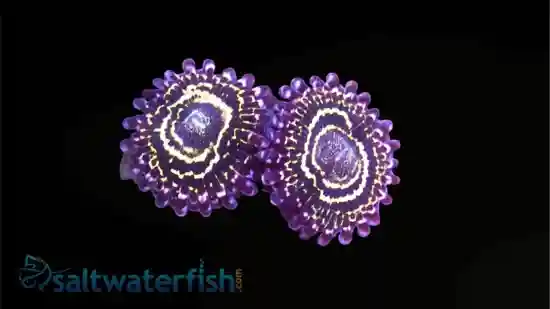
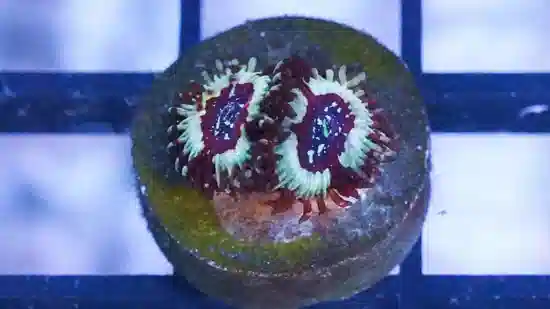
One Saltwaterfish.com reviewer of the Zoanthid Fire and Ice shared: “Nice size with a lot of heads.”
Pro tips for choosing zoas vs. palys:
Choose zoanthids for colorful, fast-growing, beginner-friendly colonies.
Choose palythoas if you want hardy, larger polyps that thrive in nutrient-rich tanks.
Place palys on isolated rocks. They spread quickly.
Always dip new colonies to avoid pests like nudibranchs or spiders.
- Wear gloves and eye protection when fragging or handling.
Bottom line:
Zoanthids offer bright coloration and controlled growth, while palythoas provide larger polyps and extreme hardiness, but may require more caution due to potential toxin levels. Both are excellent additions to mixed reefs when placed thoughtfully. For tank-conditioned zoas and palys backed by Saltwaterfish.com’s 8-Day Live Guarantee, explore the Zoanthid Collection and build a vibrant reef with confidence.
Zoanthids are known for being fast-growing, highly adaptable corals, and in a well-maintained home aquarium they can multiply quickly, often becoming one of the most prolific soft corals in the tank. While growth rates vary depending on lighting, nutrients, and stability, many reef keepers see new polyps form every 1–2 weeks, with thriving colonies doubling in size within a few months under ideal conditions. Their growth speed is a major reason zoanthids are so popular among beginners and collectors alike.
What affects zoanthid growth rate?
Lighting
Zoanthids grow fastest under low–moderate lighting (50–150 PAR). Too much light can slow growth or cause shrinking, while stable, moderate light encourages steady polyp extension and budding.
Flow
Gentle–moderate flow is ideal. Zoas that receive enough flow to keep detritus off their mat but not so much that they remain closed will grow noticeably faster.
Nutrients
Zoanthids thrive in nutrient-rich systems:
Nitrate: 5–20 ppm
Phosphate: 0.03–0.10 ppm
Ultra-low nutrients (often aimed at SPS corals) can significantly slow or halt zoanthid growth.
Water stability
Consistent salinity, alkalinity (8–9.5 dKH), and temperature (76–78°F) greatly increase growth speed.
Feeding
Though primarily photosynthetic, zoanthids grow faster with periodic feeding of reef roids, phytoplankton, or micro-particulate coral foods.
One Saltwaterfish.com reviewer of the Yellow Polyp shared: “I love yellow polyps, they're so much fun to grow. They are fast growing and love being spot fed like an anemone. One thing to note: they can produce poisons so care should be taken when handling, especially if you have cuts on your skin.”
Typical growth expectations:
Moderate conditions: 1–2 new polyps per month
Optimal conditions: 4–10+ new polyps per month
New colonies: Often slow for the first few weeks as they adjust
Mature, settled colonies: Spread rapidly across rock surfaces
Pro tips to maximize zoa growth:
Place zoas on island rocks to manage spread.
Keep nutrients detectable; avoid ULNS systems.
Feed lightly once or twice a week.
Avoid shading from large soft corals or leathers.
Dip all new zoas to prevent pests that can slow or stop growth.
Bottom line:
Zoanthids can grow very quickly in home aquariums, especially under moderate light, gentle flow, and nutrient-rich conditions. With stable parameters and occasional feeding, they can rapidly form colorful mats and become standout performers in your reef. For healthy, tank-conditioned zoanthids backed by Saltwaterfish.com’s 8-Day Live Guarantee, explore the Zoanthid Collection and grow a thriving, vibrant reef with confidence.
Zoanthids do not require “special” lighting or flow compared to other reef corals, but they do have clear preferences that help them thrive. Their adaptability is one of the reasons they’re so popular. Zoanthids flourish under a wide range of reef conditions, making them ideal for both beginners and advanced aquarists. Providing stable lighting, gentle–moderate water movement, and balanced nutrients will keep zoanthids open, colorful, and steadily spreading across rockwork.
Lighting requirements for zoanthids:
Zoanthids thrive under low–moderate lighting (50–150 PAR).
Too much light may cause shrinking, fading, or closed polyps.
Too little light can slow growth and reduce vibrancy.
Start zoas low in the tank and gradually move them up if needed.
They appreciate strong blue-spectrum lighting, which enhances color and supports their symbiotic zooxanthellae.
Flow requirements for zoanthids:
Zoanthids prefer gentle–moderate, indirect flow that keeps their mat clean without blasting their tissue.
Proper flow prevents detritus from settling between polyps.
A light, swaying movement is ideal. Polyps should flutter, not fold.
Too much direct current may cause polyps to stay closed.
One Saltwaterfish.com reviewer of the Blue/Green Zoanthid shared: “Excellent.”
Pro lighting & flow tips for zoanthids:
Use island rocks to position zoas in the ideal light and flow zone.
Avoid high-flow SPS areas. Zoas may stay closed under forceful movement.
Maintain stable photoperiods; sudden lighting changes can shock colonies.
Keep nutrients detectable: nitrate 5–20 ppm and phosphate 0.03–0.10 ppm for maximum polyp extension.
If polyps stretch upward, it’s a sign they need more light; if they shrink, they may need less.
Bottom line:
Zoanthids don’t need specialized lighting or flow, but they thrive with low–moderate PAR, gentle–moderate indirect flow, and stable reef conditions. When placed correctly, they open fully, grow rapidly, and display their brightest colors. For healthy, tank-conditioned zoanthids backed by Saltwaterfish.com’s 8-Day Live Guarantee.
Fragging zoanthids is a great way to manage colony growth, create new frags for your aquascape, or share pieces with other reefers, but because some zoanthids and palythoas can contain palytoxin, a powerful natural toxin, it’s essential to follow safe and controlled procedures. With the right tools, preparation, and caution, fragging zoanthids is straightforward and highly rewarding.
Step-by-step guide to frag zoanthids safely:
Gather protective gear
Always wear:
Nitrile gloves
Eye protection
Mask or respirator
Long sleeves
Zoanthid juices can squirt unexpectedly when cut, protection is non-negotiable.
Prepare your workspace
Work in a well-ventilated area away from pets and children.
Have ready:
Sharp coral cutters or scalpels
Tweezers
Frag plugs or tiles
Reef-safe coral glue or gel
Iodine coral dip
A small container of tank water
Remove the zoa rock or colony (if possible)
Working outside the tank is safer and makes fragging more controlled. If you cannot remove the colony, frag only the outer edge of the rock.
Cut at the base of the polyp mat
Zoanthids attach via a thin, fleshy mat. Use your scalpel or razor to:
Gently slide under the mat
Lift a section of 1–3 polyps
Avoid slicing directly through polyps when possible
Polyps will regrow readily from small sections.
Glue the frag to a plug
Use a small drop of coral gel glue. Press the frag gently until it holds. Zoanthids attach quickly within a few days.
Dip the new frags
Use iodine or a coral dip to reduce infection and remove any pests.
Place the frags in low flow & low light
Allow 3–7 days for the frag to heal before moving it to stronger lighting.
One Saltwaterfish.com reviewer of the Assorted Caribbean Zoanthid Frag shared: “Nice colors.”
Pro zoanthid fragging tips:
Frag outdoors or near an open window for maximum ventilation.
Never boil rock or frag plugs; palytoxin becomes airborne and extremely dangerous.
Keep tools dedicated for coral work and avoid cross-contamination.
Rinse tools with vinegar or bleach solution after use.
Monitor frags daily for reopening; most zoas bounce back quickly.
Bottom line:
Fragging zoanthids is safe and easy when done with proper protection, clean tools, and controlled technique. By carefully separating polyps and giving frags time to heal, you can expand your collection or share vibrant new growth with confidence. For tank-conditioned zoanthids backed by Saltwaterfish.com’s 8-Day Live Guarantee.
Nearly all zoanthids are safe for mixed reef tanks, making them one of the most reliable and beginner-friendly corals to add alongside LPS, SPS, and other soft corals. Zoanthids are peaceful, non-stinging, and adaptable, and they thrive under the same water conditions that benefit many popular reef species. Their fast growth, bold colors, and hardy nature make them excellent additions to both beginner setups and high-end collector reefs.
While zoanthids as a group are safe, some varieties grow faster or spread more aggressively than others, so choosing the right types for your aquascape ensures harmony and balance in a mixed reef.
Zoanthids that are especially safe and easy for mixed reefs:
Common Zoanthus spp. (standard zoas)
These include popular varieties like Eagle Eyes, Radioactive Dragon Eyes, Armor of Gods, and many “classic” zoa morphs.
Peaceful
Moderate growth
Excellent color under blue lighting
Ideal for tanks with LPS, SPS, leathers, mushrooms, and more
Designer Zoanthids
High-end morphs like Rastas, Funny Ds, Utter Chaos, and Bam Bams are prized for color and are very manageable in mixed reefs.
Controlled growth
Do not overtake other corals
Thrive in low–moderate PAR
Button Polyps / Palythoas (caution: some grow faster)
While many palys are safe, larger polyps can spread aggressively. They’re safe for mixed reefs but should be placed thoughtfully.
Hardy and adaptable
Often tolerate lower light
Use caution when fragging due to potential palytoxin presence
Types of zoas to monitor (still reef-safe):
Fast-spreading zoas (e.g., Whammin’ Watermelons, Green Bay Packers) best placed on island rocks
Large paly morphs that may overshadow slower LPS
These won’t harm corals, but they can crowd neighbors if not managed.
Pro tips for keeping zoas in a mixed reef:
Keep fast growers on isolated rocks to control spread.
Maintain moderate lighting (50–150 PAR) to keep zoas open and colorful.
Provide gentle–moderate flow to prevent detritus buildup.
Dip all new additions to avoid pests like nudibranchs.
- Maintain nutrients in the zoa-friendly range: nitrate 5–20 ppm, phosphate 0.03–0.10 ppm.
Bottom line:
Most zoanthids (especially common Zoanthus species and designer varieties) are perfectly safe for mixed reef tanks, offering color, movement, and fast growth without aggression. Just manage fast-spreading varieties with thoughtful placement. For tank-conditioned zoanthids backed by Saltwaterfish.com’s 8-Day Live Guarantee.
Enhancing zoanthid coloration comes down to a blend of proper lighting, balanced nutrients, stable water parameters, and strategic placement. Zoanthids are naturally vibrant, but with the right conditions, their colors can become dramatically richer, brighter, and more fluorescent. Even subtle improvements can transform a dull colony into a standout showpiece in your reef tank.
Use blue-heavy reef lighting (the \#1 factor)
Zoanthids display their most intense colors under blue-dominant LED spectrum.
Ideal PAR: 50–150 PAR
Emphasize blue, violet, and UV channels for maximum fluorescence
Reduce excessive white light, which washes out color
Increase intensity slowly (5–10% per week) to avoid bleaching
Maintain balanced nutrients (zoas dislike ultra-clean tanks)
Zoanthids thrive when nitrates and phosphates are detectable, not stripped.
Nitrate: 5–20 ppm
Phosphate: 0.03–0.10 ppm
Low nutrients can cause faded or undersized polyps, while balanced nutrients deepen color and accelerate growth.
Keep water parameters stable
Zoas respond best to consistency rather than chasing perfect numbers.
Temp: 76–78°F
Salinity: 1.024–1.026
Alkalinity: 8–9.5 dKH
Irregular swings often lead to muted colors or closed polyps.
Feed zoanthids 1–2 times per week
Though they’re primarily photosynthetic, feeding can noticeably improve coloration and growth. Offer:
Reef Roids
Phytoplankton
Micro-particulate coral foods
Provide gentle–moderate flow
Proper flow keeps the zoa mat free of detritus and encourages full polyp extension, a key factor in color intensity.
Aim for swaying polyps, not blasting flow
If polyps look “pinched,” flow may be too strong
Prevent shading and competition
Large leathers, GSP, or fast-spreading corals can overshadow zoas.
Ensure the colony gets even lighting
Trim nearby corals as needed
Pro tips for maximum coloration:
Increase blue lighting during viewing for added fluorescence
Use activated carbon occasionally to reduce coral chemical warfare
Frag overcrowded colonies to revive color
Inspect regularly for pests like nudibranchs, which dull color and growth
Bottom line:
Zoanthids develop their best colors with blue-heavy lighting, detectable nutrients, stable water chemistry, gentle–moderate flow, and occasional feeding. With these elements in balance, your zoas will showcase vibrant, eye-catching hues that become a highlight of your reef. For brilliantly colored, tank-conditioned zoanthids backed by Saltwaterfish.com’s 8-Day Live Guarantee, explore the Zoanthid Collection and elevate your reef with confidence.